
Many years of dissertation work came to an end last spring. “It must feel good to be finished,” commented well-meaning friends. Yes, in a way, I could answer; but a comprehensive project is more of a beginning than an end. A dissertation contains many threads that can and should be further explored, and so was mine. It dealt with clipfish – a study that gives perspectives on why our region became both prosperous and dominant within maritime industries.
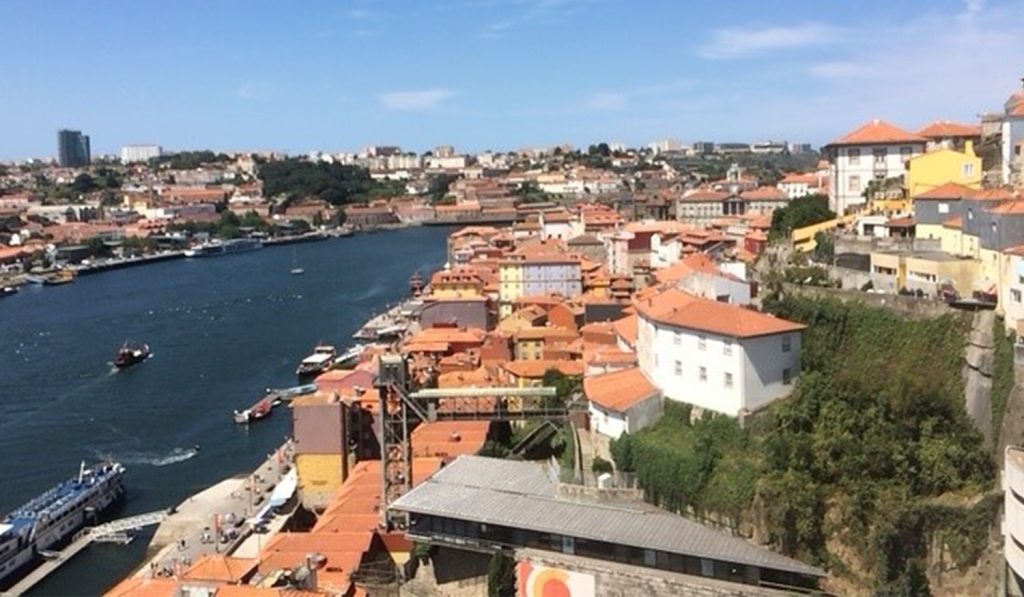
However, there remains a lack of knowledge about a small but crucial factor in the export-oriented economy of the region of Møre: the trade route for salt. Without reliable access to salt at an affordable price, the export of fish products beyond stockfish would have been minimal. Without salt, the golden age of Norwegian fish exports from 1850 to 1880 would hardly have materialized – a generation during which significant capital was accumulated and later channeled into the development of fishing vessels, shipyards, and fisheries.
The dialogue in the research process
The search for information that can shed light on this part of Norwegian fisheries history – an important chapter in Norwegian economic history – begins in southern Europe, at the University of Porto. To be a historian is precisely this: to plan a journey that may illuminate a question. Such journeys depend on good ideas, even better contacts, and funding. The hunt for sources that may contain a fragment – hopefully several – goes through search engines and publications, but much of what is interesting lies outside the vast web. Access to these sources comes only through contact with professionals at universities, museums, and archives – people who share interests, exchange information, explain, and enlighten one another. When opening a new field of research – large or small – it is the conversation that integrates researchers into the broader dialogue that makes the difference. That dialogue often predates the researcher’s curiosity.
To be a researcher is to create engagement
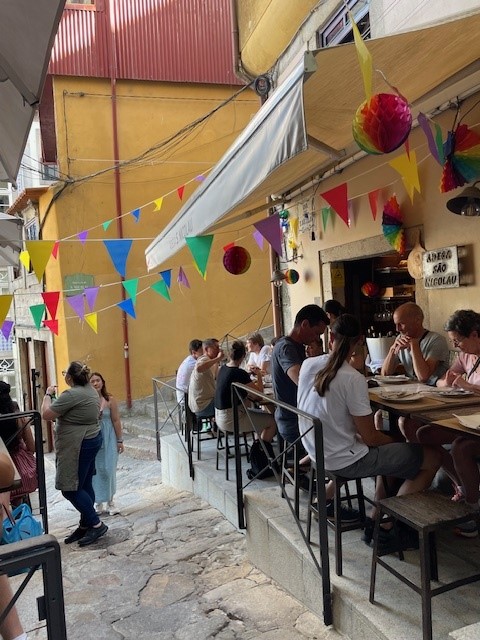
In societies less digitized than Norway, the individuals who organize information within institutions still hold prominent roles. In these contexts, being a researcher means pitching your project and generating engagement. There is something fascinating about this situation, which I find joy in. At large, established institutions, staff carry authority and professional pride, and are more reserved – approached by researchers with actual status – unlike me, an everyday researcher from a small coastal community no one has heard of.
Norway – the last country in the world
“From Norway?” someone said to me yesterday. “They say it’s the last country in the world.” He looked at me. “Yes,” I replied, “or the first.” We laughed. When I then uttered the word bacalhau, he understood. I won. That word holds a kind of magnetism in the culture of the western Iberian Peninsula. People listen, smile, and help. As much as I seek knowledge about clipfish and salt, I also pursue these experiences of human kindness. The sense of cultural continuity separated only by a counter and some rusty Portuguese. I cherish these living encounters with the past that bind my culture to his or hers. Meetings that reveal history’s long tentacles reaching into the future. Feeling at home in the world, in the bonds between people – those who were, are, and will be. There is something beautiful in being a historian and working with what others may see as dead material. To me, it is certainly alive.
The art of finding
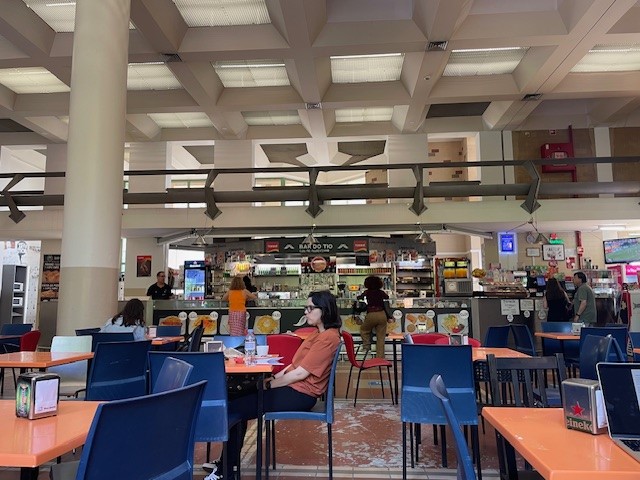
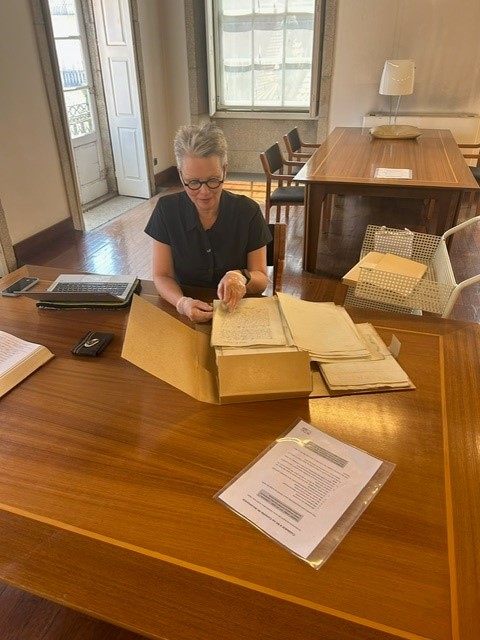
This is what I longed to experience again – the art of discovery. But it is by no means free. I applied for an international research grant. Rejected. I also applied for a writing semester. Rejected. I was a bit discouraged, rolled up my sleeves, and began to think bigger; developing a more complex project. But never the less, every project needs a starting point. I looked around – and there, right in front of me, stood the head of my college university’s head of international office; Mr. Arne Humberset spelling Erasmus. Erasmus? A one-week study visit to the University of Porto became a reality after inviting myself, in a hopefully polite and respectful letter, to one of Europe’s leading researchers on clipfish and salt. No, I didn’t know her beforehand – only her work. We met, funded by the international office at HVO, for a conversation without end. She shared generously and guided me in my work and approaches to archives and museums, called her contacts, opening doors.
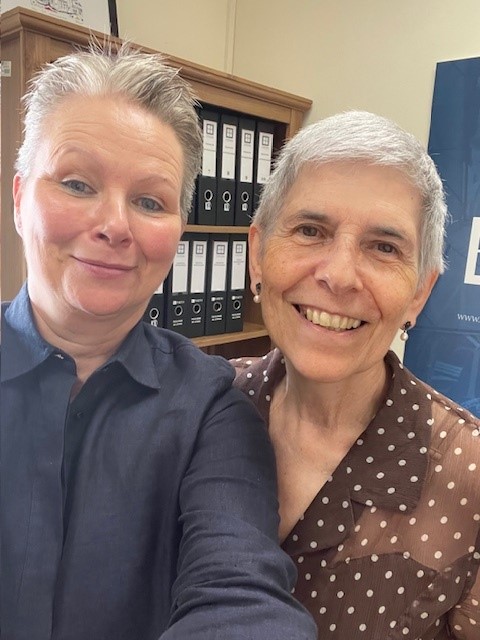
I could walk into the institutions and find sources with few worries and little effort. Professor Inês Amorim at the University of Porto spoke of future research and a potential collaboration? Maybe she could come to Norway sharing her knowledge about our common history? A new and joyful experience! Erasmus can be a shortcut and a backdoor to research projects. It was wonderful experience.
Sources that will provide perspectives on the Norwegian salt trade found its way from Porto, Aveiro and Lisbon; to Møre.
A similar version first published in The University College homepage, June 2025.